
The United States has a mature market for freediving, triathlon and scuba diving. Local dive shops and water sports brands commonly struggle with supply chain issues. Many suppliers only produce standard ready goods and cannot consistently deliver GBS glued blindstitch seams. Low-cost wetsuits often suffer from neoprene thickness mislabeling, peeling titanium coating, water seepage after seawater exposure and poor stretch recovery. Leaky suits bring safety risks for divers and trigger costly brand warranty claims. In addition, the US market enforces strict requirements on eco-friendly raw materials and chemical residue tests. Many manufacturers fail repeated sample tests and delay new product launches.
In 2024, a US professional water sports buyer contacted Yalisi. Their end users included freediving athletes, dive instructors and triathletes. They required 5mm /7mm full premium wetsuits made with Yamamoto neoprene and titanium thermal lining, built with GBS blindstitch glued seams. The first order was one full 20GP container with 6,200 units, with planned repeat orders each quarter. Client core pain points: 1. Neoprene splitting tolerance controlled within ±0.2mm to avoid false thickness marking; 2. Seams remain watertight and non-delaminated under long seawater immersion; 3. Fabric must pass US environmental material compliance tests; 4. Bulk production lead time locked at 14 days, as late delivery would cost peak season sales.
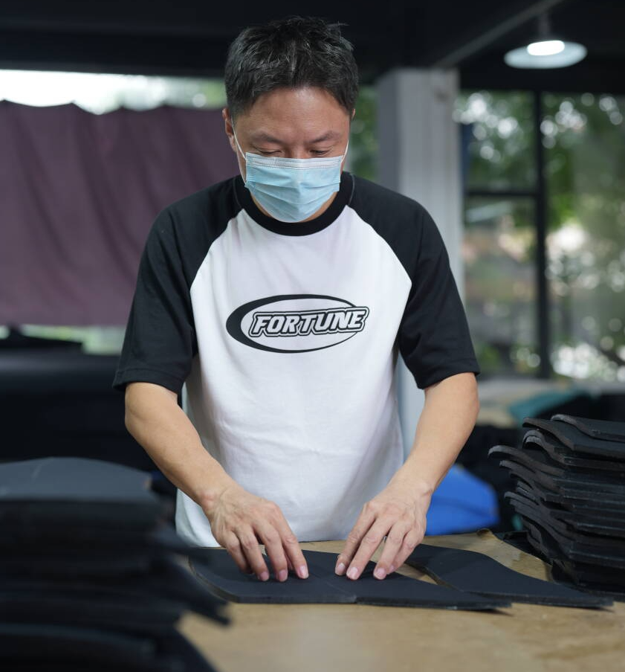
Our technical team launched a dedicated project. Material selection: We adopted Yamamoto #39 limestone neoprene with titanium thermal lining. Every batch of raw foam goes through tensile, saltwater aging and thermal reflectance lab tests before entering production, with full test reports retained. Sample development: Four rounds of prototype iteration were completed. The first prototype had minor water penetration under armpits during high mobility movements. Our team adjusted blind stitch pitch and widened glue coating on seams. The second prototype had coating adhesion issues, so we optimized hot-press curing temperature to prevent peeling under seawater wash. Final samples passed a continuous 72-hour seawater immersion simulation test, and fabric samples passed US environmental compliance testing. Confirmed samples were ready within 6 working days. Mass production control: Four production lines ran in parallel. CNC splitting machines guaranteed consistent foam thickness. Reinforced double layers were added on high-stress zones including shoulders, knees and armpits. Three in-line inspection stages were implemented: raw fabric pre-check, mid-production stitching inspection and semi-finished garment audit. Final QC: All finished garments were inspected under AQL2.5 international sampling standard. Random units from each batch underwent water leakage testing. We verified sizing, silk print durability and zipper corrosion resistance. Delivery result: The full order of 6,200 premium wetsuits was packed in a 20GP container and shipped from Dongguan port to US west coast. The buyer placed repeat orders for three consecutive quarters, with total shipment exceeding 24,000 wetsuits. End-user satisfaction maintained above 99%, and the brand’s after-sales complaint rate dropped by 82%.
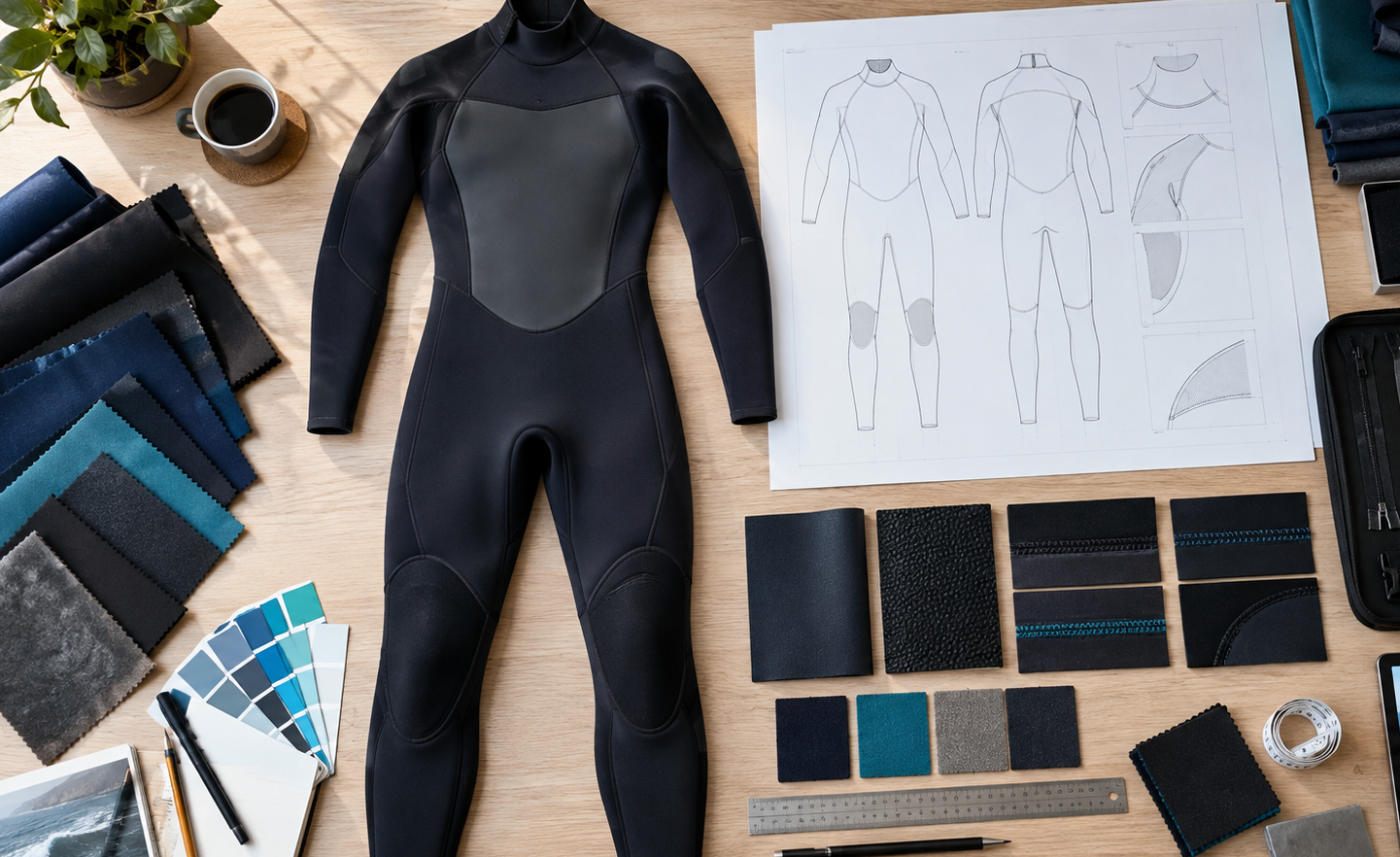
Yalisi operates vertically integrated manufacturing. All processes, including neoprene splitting, fabric lamination, silk printing, heat sealing, stitching and final QC, are completed in-house without outsourcing. We fully recognize that premium wetsuits are not simple apparel, but critical safety protection for divers. With a 4,000 sqm factory, over 60 skilled workers and daily capacity of 1,000 premium wetsuits, Yalisi provides full OEM & ODM custom service for global high-end water sports brands. We support full-container shipments and assist buyers with material compliance testing to mitigate quality and delivery risks.
Key Points
- Solving High-end Wetsuit Manufacturing Pain Points: Yalisi Delivers Full Containers of Premium Neoprene Wetsuits to USA
- Category: News