
Dongguan, China — The thermal retention and elastic performance of finished wetsuits, rash guards and triathlon suits start from neoprene foam slicing. Many brand buyers overlook thickness definition, measuring standard and tolerance agreement during custom wetsuit sampling, leading to inconsistencies between prototype and mass production.
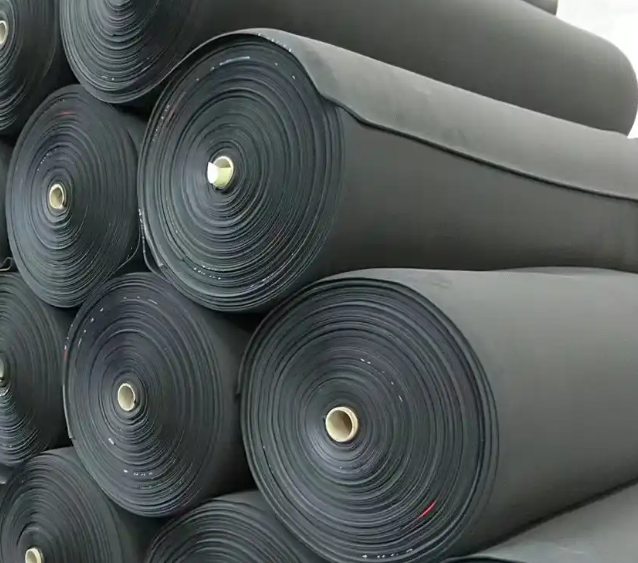
Slicing is the first step of wetsuit material processing. Large blocks of foamed neoprene raw sponge are cut into sheets of targeted thickness with precision splitting machines. The sliced neoprene sheets will then go through fabric lamination and cutting.
A common industry misunderstanding: marking “3mm wetsuit” on orders without clarifying the measuring subject. The thickness can refer to pure foam layer, or the total thickness after lamination of foam and textile, with obvious numerical difference. When handling OEM and ODM wetsuit projects, Dongguan Yalisi Sports Goods Co., Ltd. confirms thickness definition, testing method and tolerance range with clients upfront, to unify standards for sampling and inspection.
Material selection after slicing should match water temperature, stretch requirement and pattern design. Thickness is merely one parameter and cannot independently determine the insulation of a full wetsuit. Surface skin foam and core foam have different physical properties, which need separate selection for smooth-skin wetsuits and spearfishing suits.
Before project kickoff, confirming foam specifications and keeping material reference samples helps reduce repeated sampling and stabilizes mass batches. Dongguan Yalisi Sporting Goods
Co.,Ltd. supports custom development of wetsuits and water sports gear. Clients may submit drawings, reference samples and procurement requirements for material solution confirmation.
Website: https://www.dgyalisi.cn/
Key Points
- Neoprene Slicing Process for Wetsuit Production
- Category: News